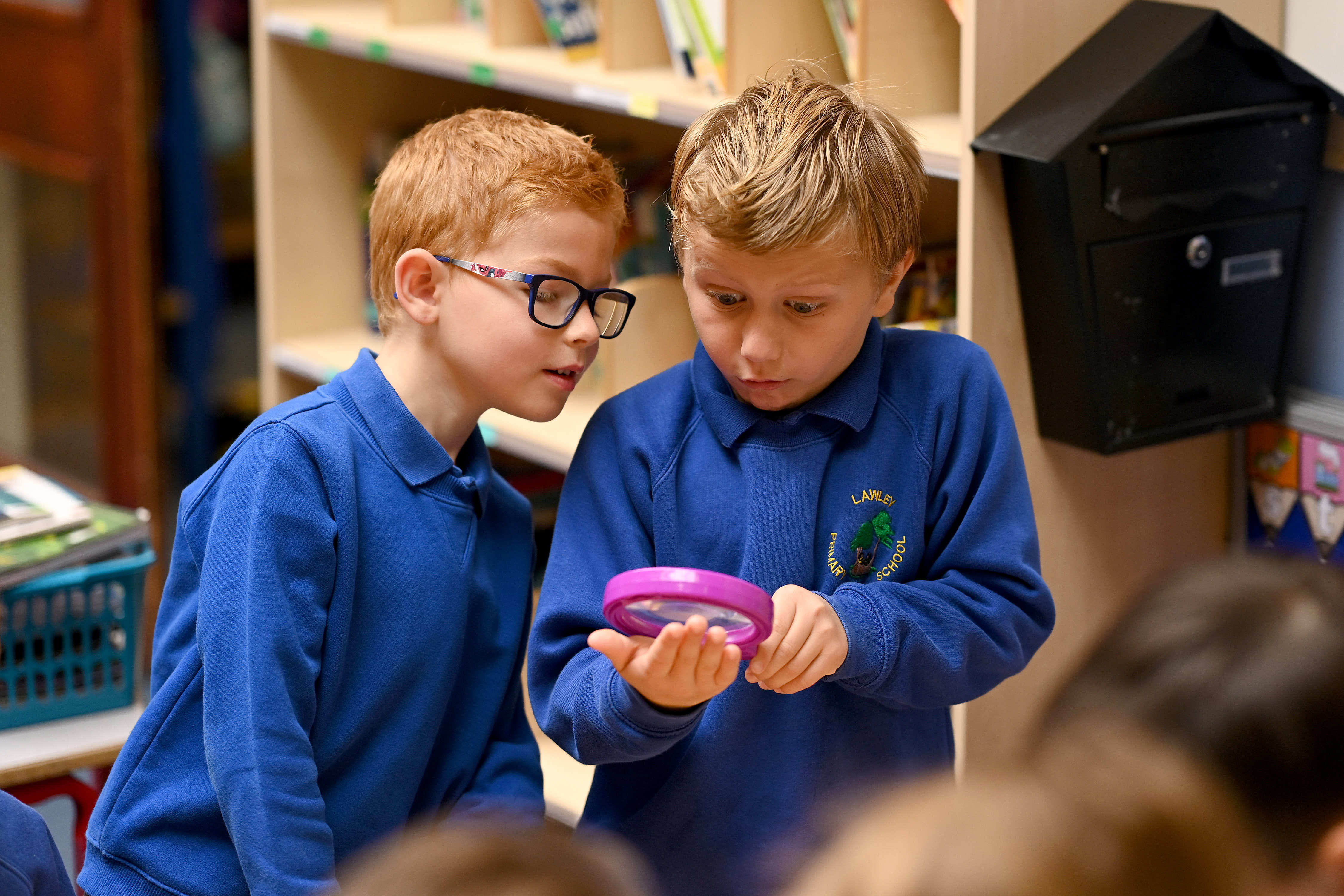
Science at Lawley Primary School
Our school vision
The whole school community at Lawley have high expectations for our children, and strive to ensure they leave school as confident, polite and independent young people, with the appropriate skills, values and learning to become successful in whatever their future will be. We aspire to instil in all our children a desire to never stop learning and to have the courage to succeed in whatever they do, across all areas of school life and beyond. At Lawley we are ‘Planting the seeds, growing the future.’
Led by Fiona Swindell
Science Curriculum – Intent, Implementation & Impact
Our school vision
The whole school community at Lawley have high expectations for our children, and strive to ensure they leave school as confident, polite and independent young people, with the appropriate skills, values and learning to become successful in whatever their future will be. We aspire to instil in all our children a desire to never stop learning and to have the courage to succeed in whatever they do, across all areas of school life and beyond. At Lawley we are ‘Planting the seeds, growing the future.’
Intent
At Lawley Primary School, our vision for science is rooted in curiosity, discovery, and understanding of the world around us. We aim to cultivate a love of science in all our pupils by offering a knowledge-rich, vocabulary-rich and enquiry-driven curriculum. With support from the White Rose scheme, our science curriculum is designed to ensure that every child:
- Develops deep scientific knowledge and conceptual understanding.
- Gains the skills needed to work scientifically, including questioning, investigating, interpreting results, and drawing conclusions.
- Builds a broad and rich scientific vocabulary, enabling them to articulate ideas confidently and accurately.
- Understands the relevance of science in everyday life and its applications in the wider world.
- Builds resilience, critical thinking, and collaborative skills through hands-on enquiry and discussion.
We are committed to ensuring that our science curriculum is inclusive, ambitious and accessible to all learners, including those with SEND and EAL, while challenging and extending the most able.
Implementation
Our science curriculum is delivered with the support of the White Rose Science scheme, which provides a structured, coherent and progressive approach to teaching and learning across the school. Here's how we bring science to life at Lawley Primary School:
Curriculum Structure
EYFS: Science is explored through Understanding the World, promoting awe and wonder through observation, exploration and open-ended questioning.
KS1 and KS2: Each year group follows carefully sequenced units, covering biology, chemistry and physics topics aligned with the National Curriculum.
Knowledge and Skills Progression
Each unit builds on prior knowledge with explicit links to earlier learning.
Children develop and revisit ‘working scientifically’ skills, such as:
- Asking and answering scientific questions
- Setting up fair tests
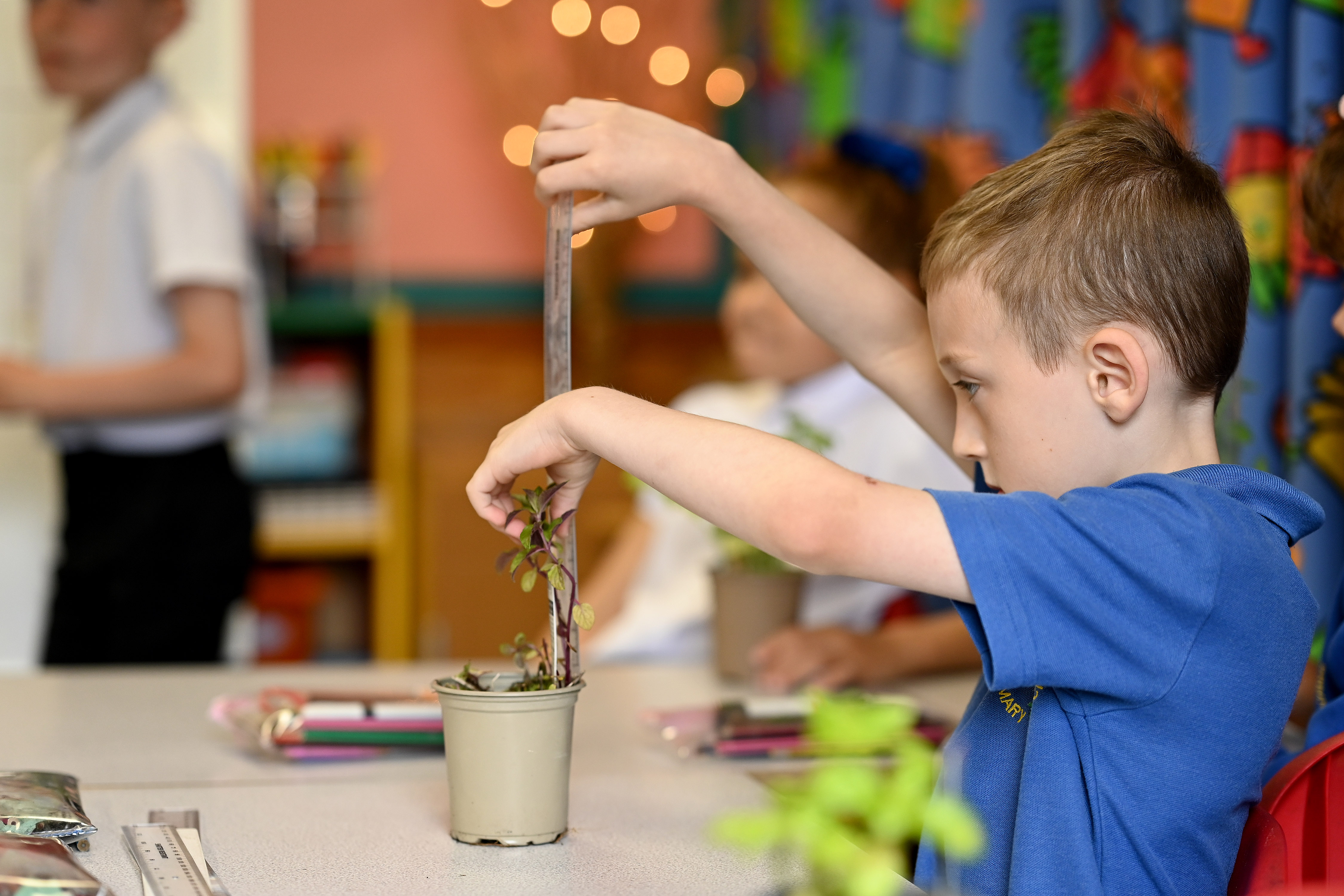
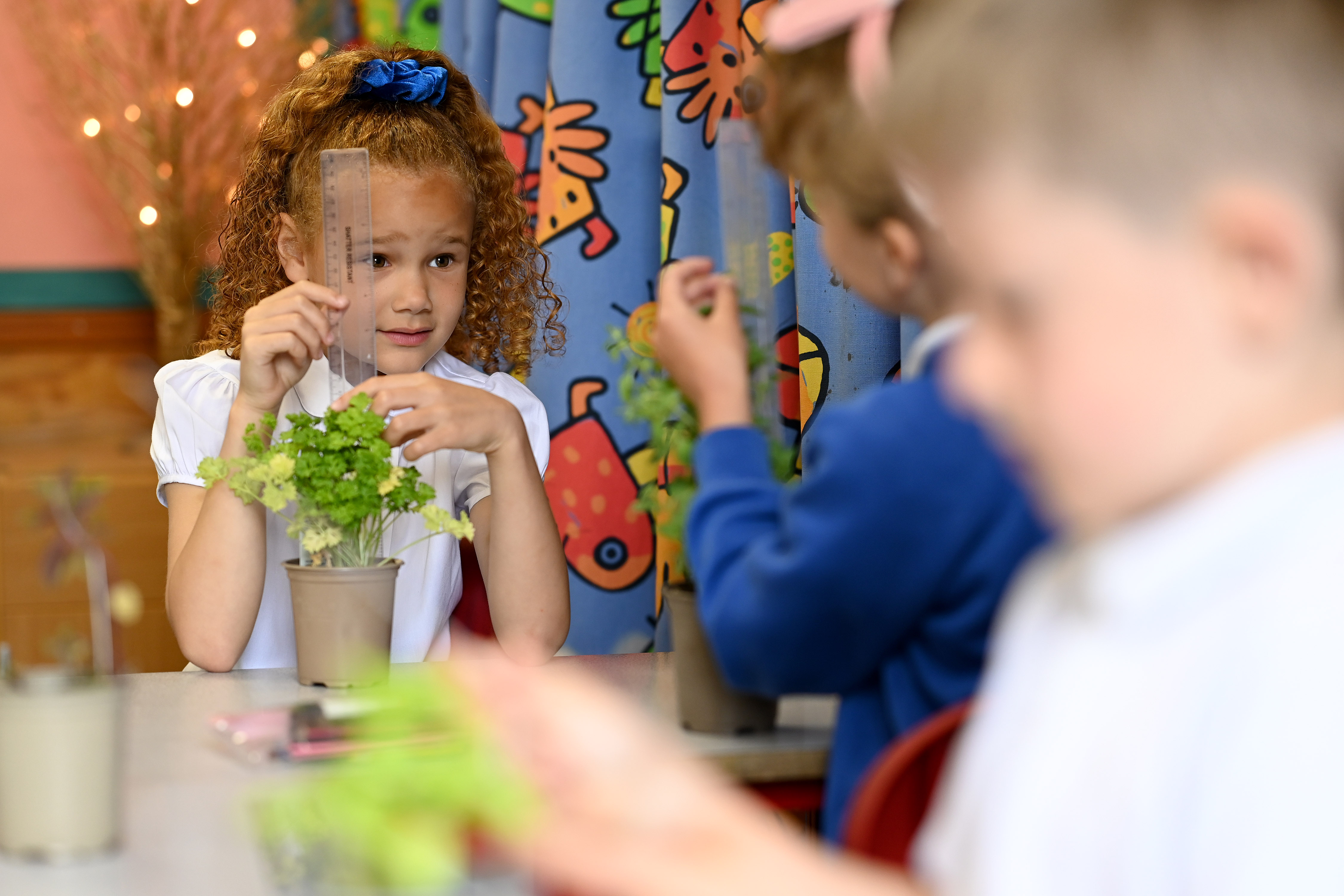
- Making observations and measurements
- Recording data using charts, graphs and tables
- Drawing conclusions and evaluating investigations
Curriculum Resources
- High-quality, well-structured lessons using White Rose Science to support.
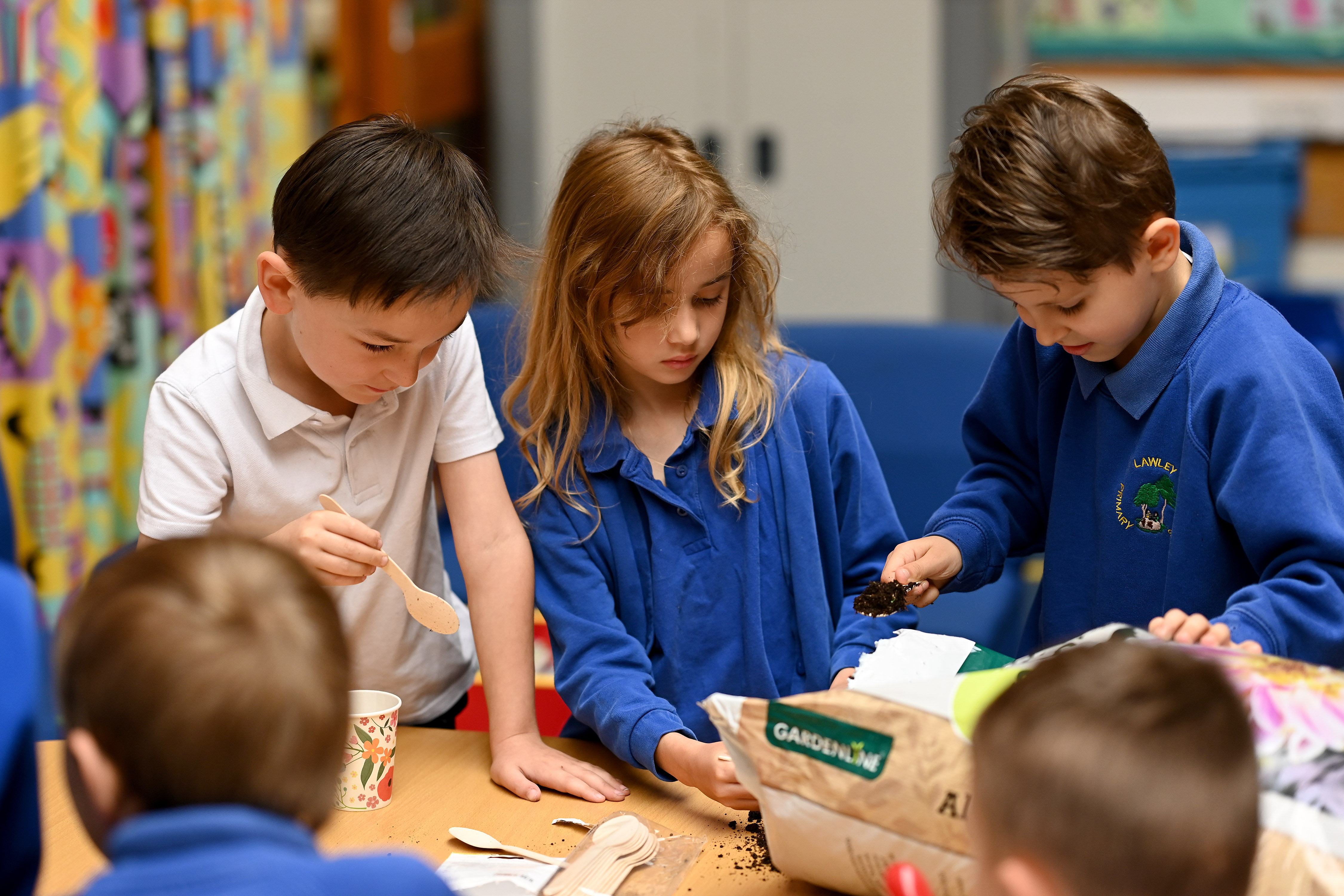
- Practical, hands-on investigations and experiments in every unit.
- Vocabulary development and retrieval in lessons.
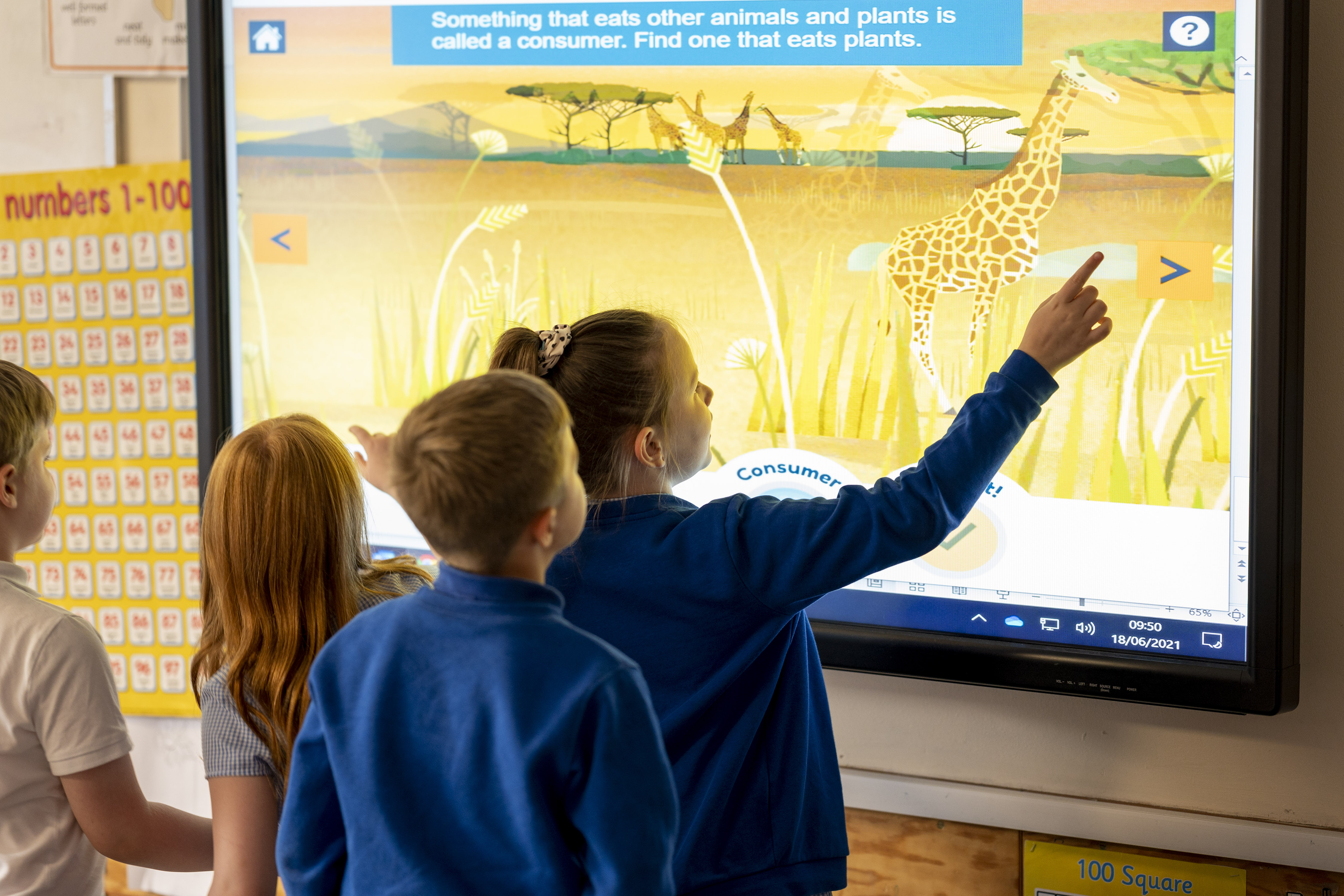
- Use of visual aids, models and digital resources to enhance understanding.
Enrichment and Wider Opportunities
- Visits from scientists and STEM professionals.
- Links to real-world science careers and global issues.
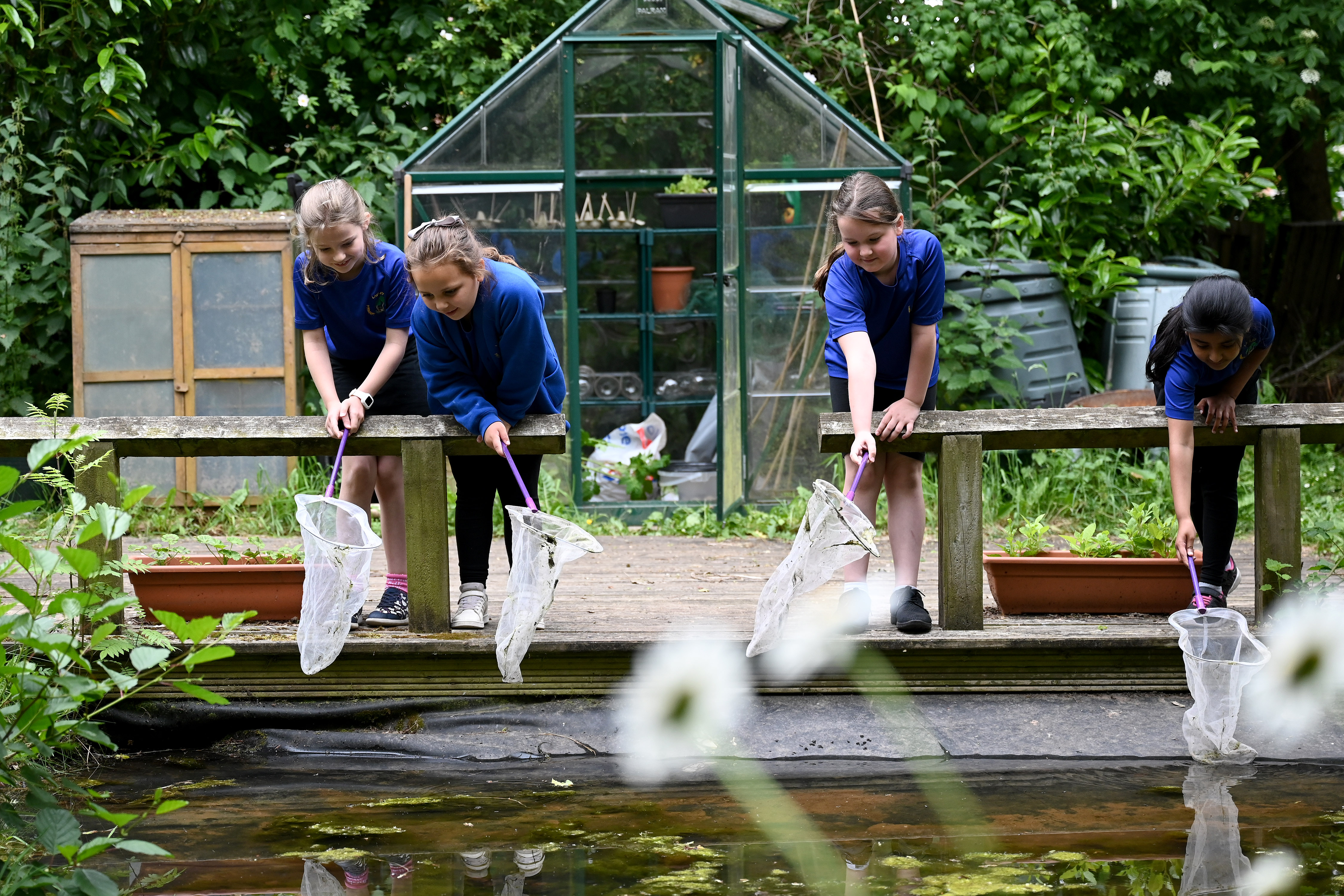
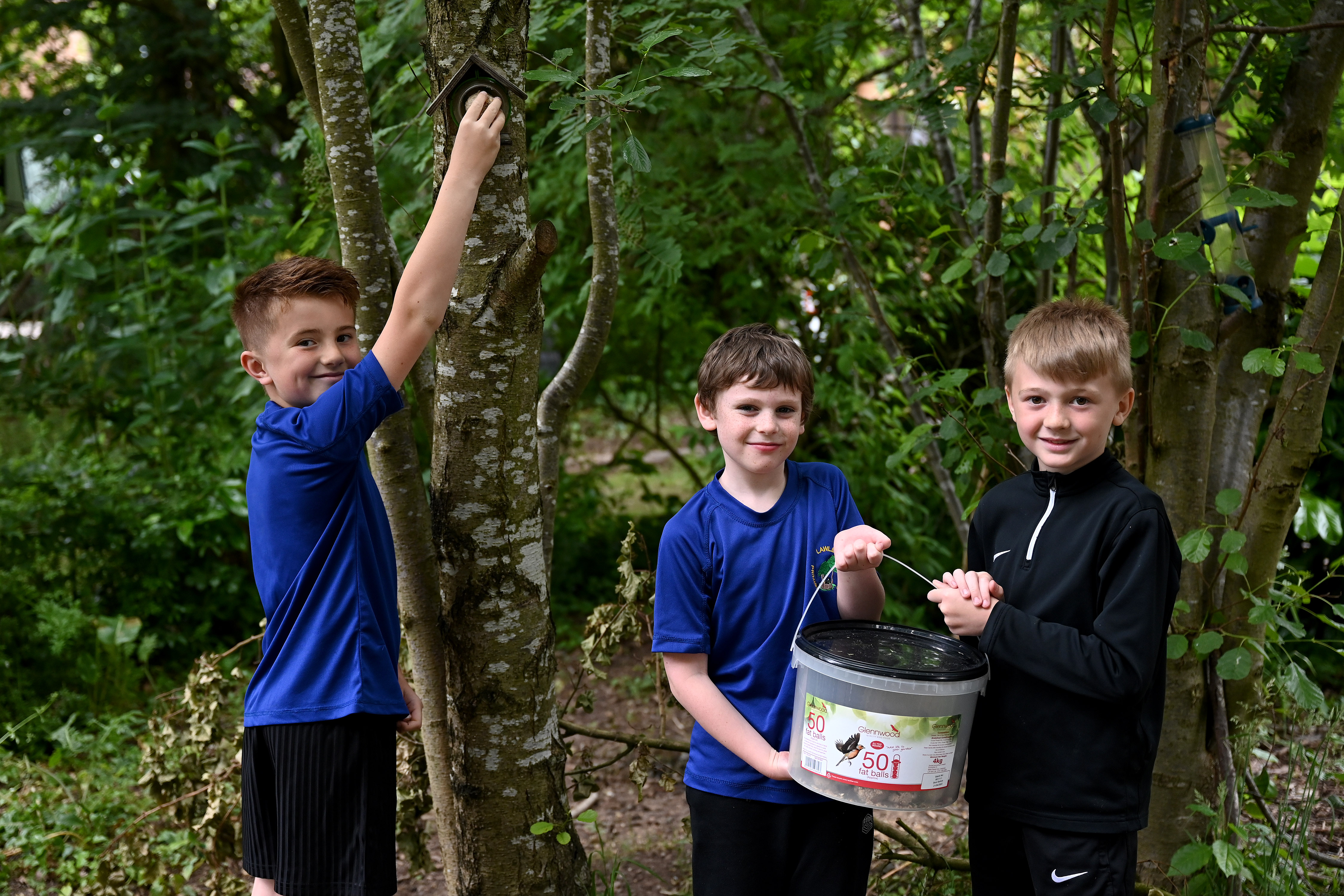
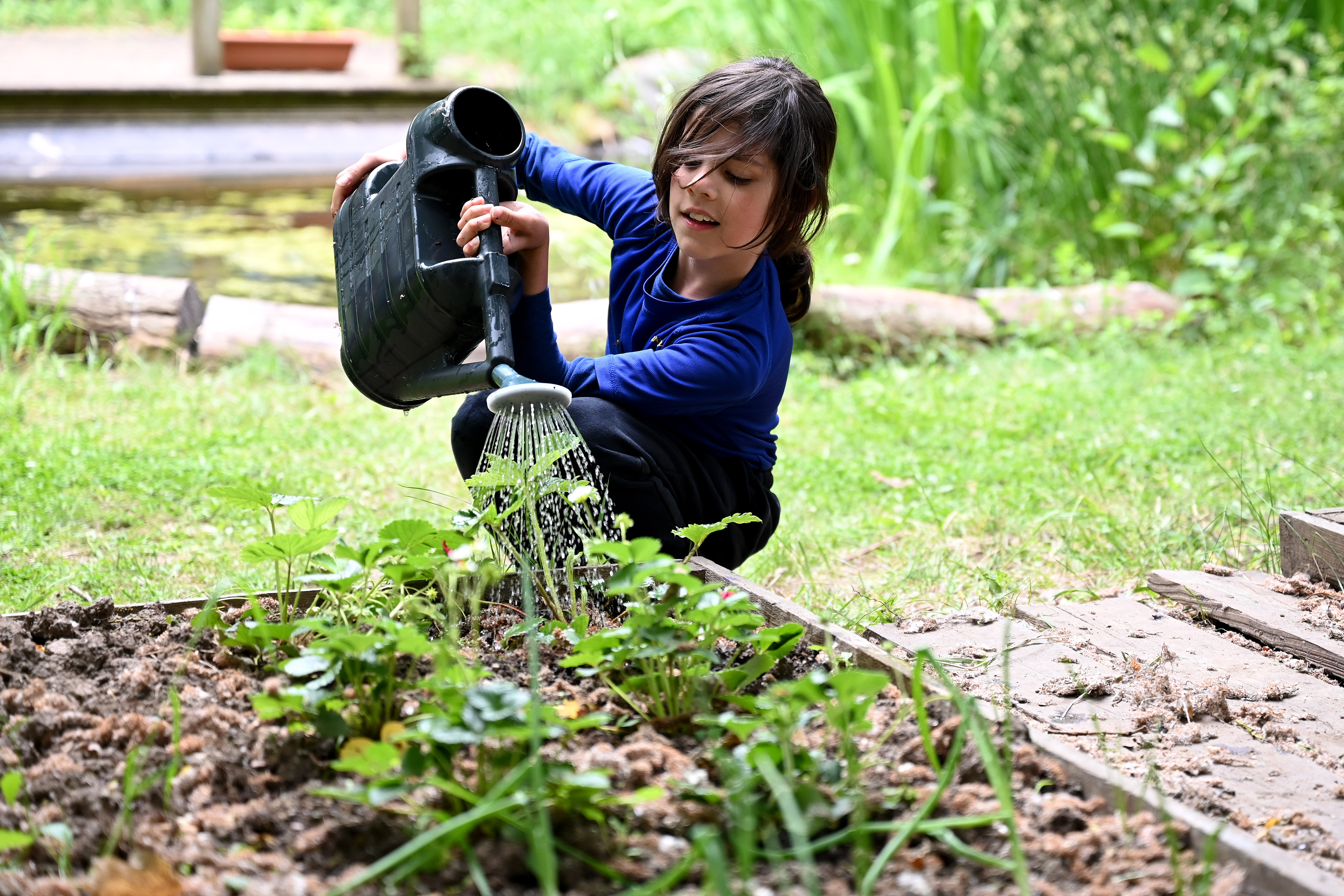
- Eco initiatives and sustainability projects (e.g. recycling, gardening).
- Science Week.
Impact
The impact of our science curriculum at Lawley Primary School is that, by the time children leave us, they have developed a secure understanding of the scientific world around them, a lasting sense of curiosity, and the confidence to question, explore and investigate.
Our pupils are equipped not only with essential scientific knowledge but also with the skills to think critically, apply their learning, and communicate their ideas effectively. They leave Lawley Primary with a positive attitude towards science and a readiness to build on their learning at secondary school and beyond.
Assessment and Monitoring
Assessment is an integral part of every science lesson at Lawley Primary. Teachers continuously assess children’s understanding through observation, questioning, and analysis of their work. This real-time feedback allows staff to adapt teaching, support pupils effectively, and provide challenge where appropriate.
Key strategies include:
- Flashback activities for a steady stream of low-stakes, high value, spaced retrieval practice which provides teachers with what pupils truly know, remember and can apply. Because they revisit content from yesterday, last week, last term and last year, they provide a rich picture of long-term retention which enables teachers to respond and revisit key concepts, adjust planning and address misconceptions.
- Formative assessment through ongoing questioning, discussion, and observation to inform next steps in learning.
- Assessment of working scientifically skills is embedded into every lesson. Teachers assess through observation, talk, practical behaviours and reasoning. Teachers use the enquiry type, which is identified in each lesson, as the assessment lens. Teachers ask: Did pupils use the correct approach for this enquiry type? Can they explain why this method is appropriate? Are they applying the expected skills for their year group?
- Monitoring through pupil voice surveys and looking at children’s work to evaluate engagement, progress, and understanding. It is based on the knowledge and skills on our progression map.
These approaches ensure that assessment is meaningful, manageable, and directly informs high-quality teaching and learning in science.